


AT&T Cybersecurity – Public Sector Success Story
During my tenure with AT&T Cybersecurity, I had the privilege of working with the Public Sector Team, focusing primarily on customers across Texas and Oklahoma. This period marked one of the most impactful chapters of my career, where technical innovation and strategic sales enablement intersected to drive measurable growth and long-term customer value.
The Challenge
Public sector organizations often operate under complex procurement frameworks, such as the Texas Department of Information Resources (DIR) contract. While this contract provided access to a broad portfolio of AT&T cybersecurity services, sales teams and customers alike found it challenging to visualize how those services fit together within their existing environments.
Each conversation began from scratch, requiring technical explanations and repeated customization — a time-intensive process that limited scalability and slowed the sales cycle.
The Solution: Visualizing the AT&T Cybersecurity Ecosystem
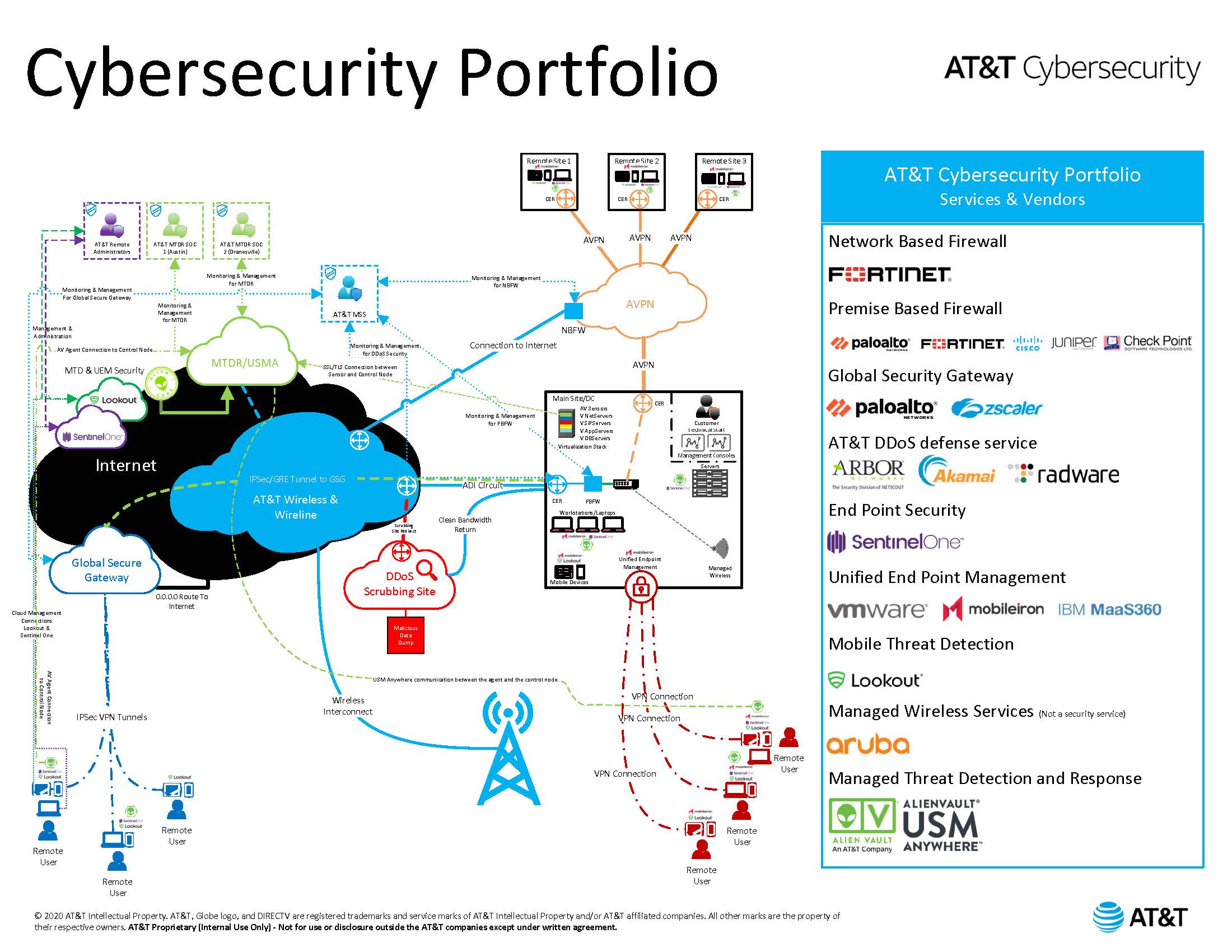
To address this, I developed a high-level architectural diagram mapping the complete suite of AT&T cybersecurity products and services available under the Texas DIR contract.
This visual framework served multiple purposes:
It illustrated how AT&T’s offerings — from MDR and SIEM to SASE, Zero Trust, and Cloud Security — could be integrated into a customer’s existing infrastructure.
It clarified interdependencies between solutions, showing how each layer strengthened the organization’s security posture.
It allowed account teams to position complementary or add-on services with precision, transforming a single sale into a multi-year growth strategy.
When paired with the Managed Threat Detection and Response (MTDR) architecture I designed, the diagram became a powerful sales enablement tool. Sales engineers and account managers used it to conduct consultative, story-driven engagements — helping customers see the bigger picture of their evolving cybersecurity roadmap.
The Impact
This approach fundamentally changed how the Public Sector Team engaged customers:
Accelerated the sales cycle: By providing a visual, strategic conversation starter, teams could quickly communicate technical value and establish credibility.
Enabled “Land and Expand” success: The framework unlocked upsell opportunities by positioning each security product as part of a scalable ecosystem.
Increased contract value: The average customer’s cybersecurity spend grew by up to 300% across three contract cycles.
Extended contract duration: By aligning service adoption with fiscal-year planning and implementing a staggered deployment strategy, we extended customer relationships from the standard 1–3 years to up to 10 years, with new services added annually.
Reflection
This project represents the core of my professional philosophy:
combining technical depth, visual storytelling, and strategic foresight to drive meaningful results.
By transforming abstract service catalogs into visual, actionable architectures, I helped bridge the gap between technology and business outcomes — turning cybersecurity conversations into long-term partnerships built on trust, clarity, and measurable value.
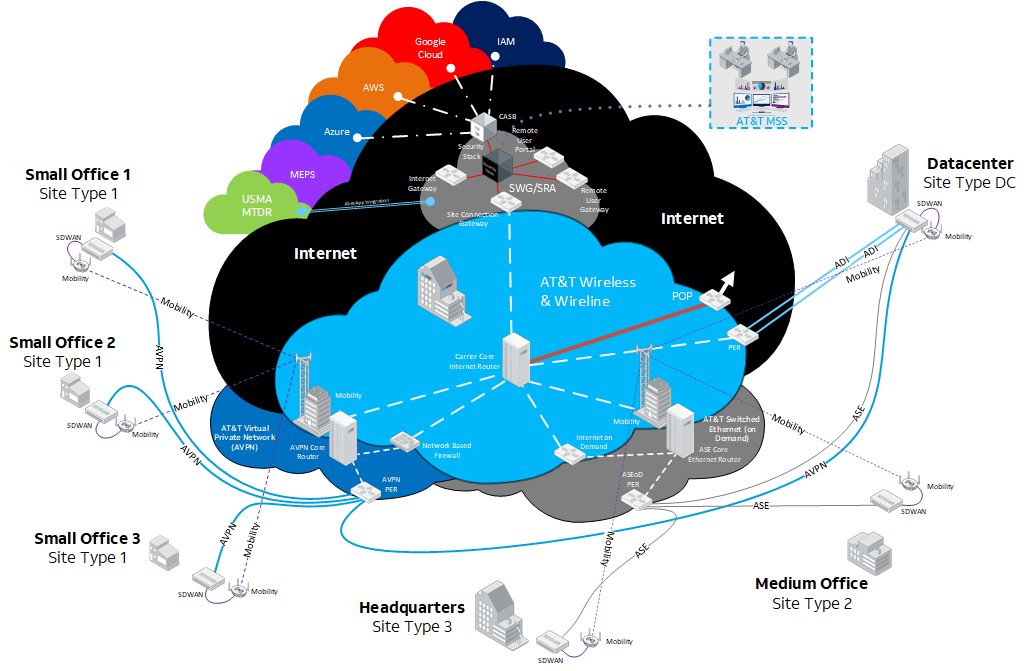
AT&T Circuit Based Services Portfolio
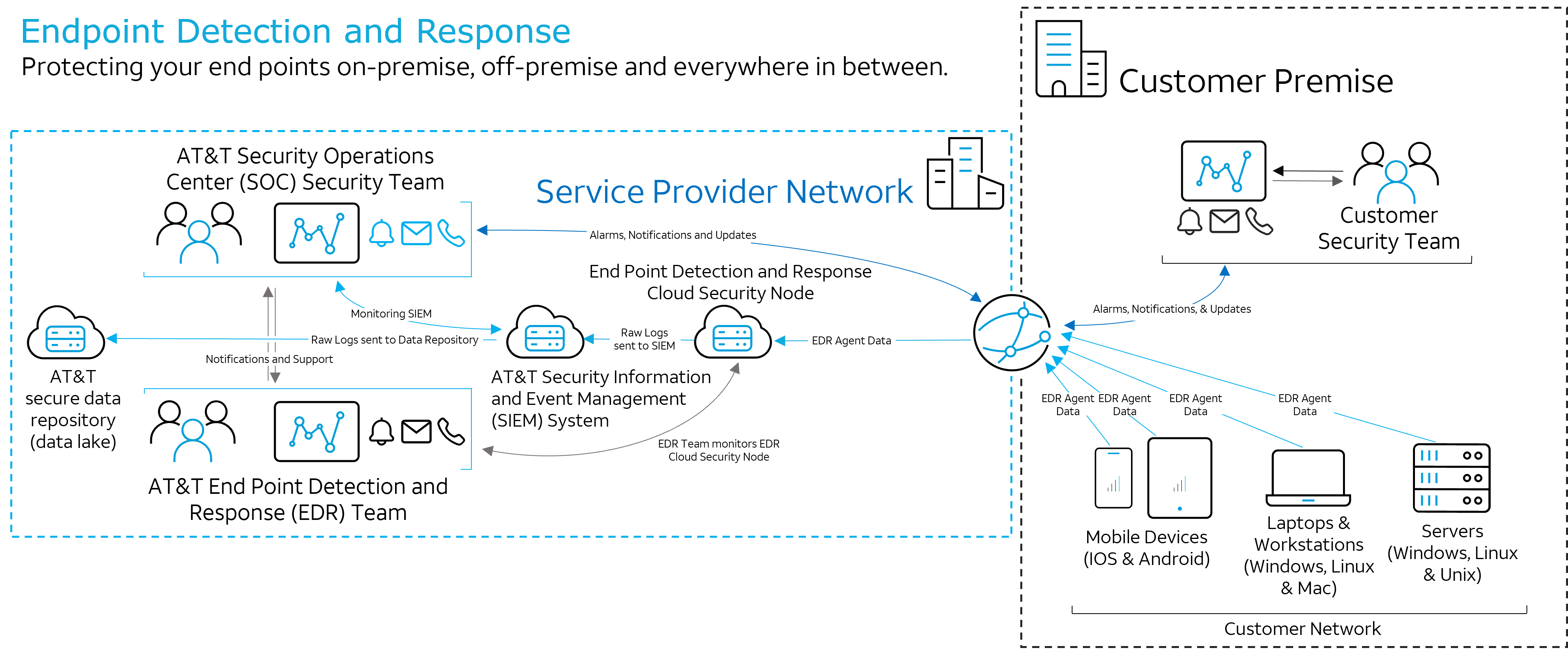
End Point Detection and Response
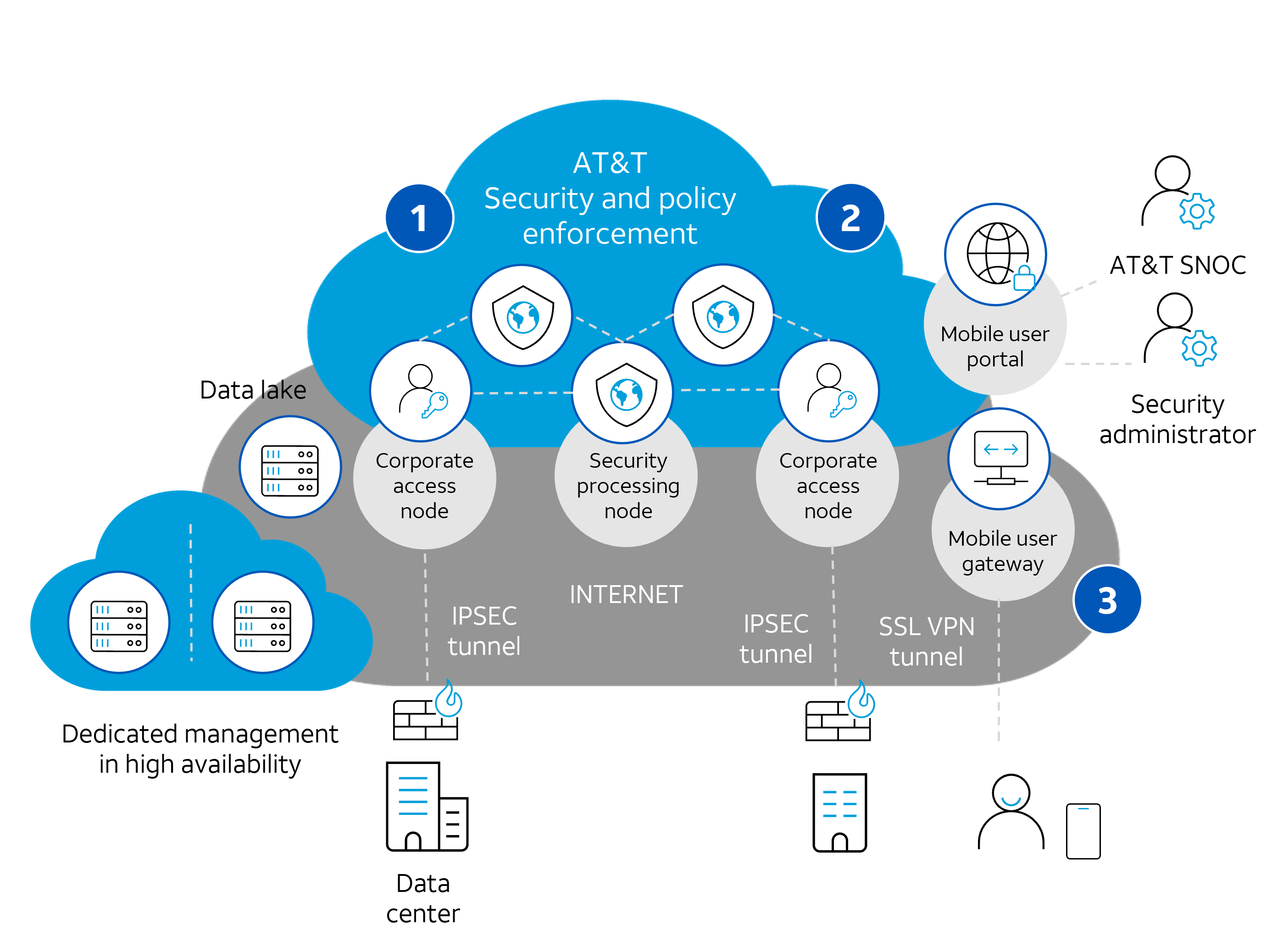
Secure Access Services Edge
All in One Cybersecurity Portfolio
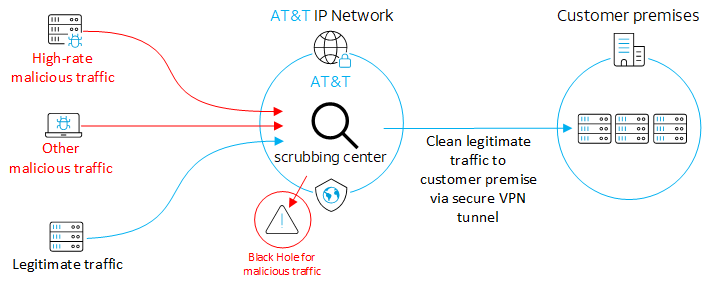
DDoS Defense
Conclusion
The “All-In-One” architecture diagram evolved into a highly productive tool for sales and technical sales teams at every level. It played a key role in introducing, explaining, and demonstrating the value and breadth of AT&T Cybersecurity Managed Services to customers. One of its most impactful features was its customizability—the diagram could be quickly adapted to mirror a customer’s specific network environment, making the solution feel tailor-made. This personalized approach not only enhanced customer engagement but also reinforced the perception of AT&T as a strategic partner, not just a vendor.
Results.