
Project Type: AT&T

City of Dallas Boot Camp Training

Led a technical boot camp for the City of Dallas cybersecurity or IT teams, teaching them critical principles and practices of cybersecurity deployments, architecture, and operations. Through this interactive training, participants gained hands-on experience in secure design, threat detection, and response workflows. The training improved the city’s internal security maturity


Read More »

AT&T Cybersecurity All-in-one Product Architecture

Designed a comprehensive architecture diagram that unifies AT&T’s complete cybersecurity stack—covering SIEM, response, and threat detection tools—to clearly illustrate how the components interrelate. This visual asset became a core part of sales conversations, helping both technical and non-technical stakeholders understand integration paths and scale. It supported long-term strategic upsell by

Read More »

AT&T Marketing Collateral (Public Sector)

Created compelling public-sector-focused marketing materials for AT&T’s cybersecurity offerings, translating technical product capabilities into customer-friendly messages. These collateral pieces helped make complex security architecture relatable to public-sector decision-makers. The assets supported sales teams in positioning cybersecurity solutions in government and education sectors.

Read More »

ObserveIT Integration Use Case

Architected a use-case scenario integrating ObserveIT visibility with existing SIEM tools to monitor insider threat behavior, session activity, and privileged access patterns. The design included data ingestion, alerting rules, and investigation workflows to quickly detect and respond to risky user activity. This integration model became a strategic blueprint for clients

Read More »

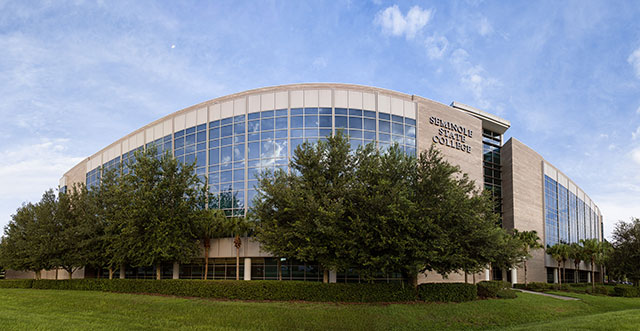
Seminole State College

Built a cybersecurity architecture and strategy for Seminole State College, balancing the needs of campus access, identity security, and data protection. The solution aligned risk management with academic operations and digital infrastructure to maintain security without disrupting learning. It became a foundational reference for scaling secure access as the institution

Read More »

Tulane University

Developed a layered security design tailored for Tulane University’s complex IT environment, with particular attention to identity controls, cloud workload isolation, and advanced log telemetry. The architecture offered a future-ready framework that supported both academic freedom and data protection. It enabled Tulane’s stakeholders to plan for secure growth with senior

Read More »

Nueces County, TX SASE

Designed a secure access architecture for Nueces County that combined SD-WAN, zero-trust edge, and cloud security to modernize their network posture. The solution addressed the county’s specific needs for cost-efficiency, segmentation, and performance. It laid the groundwork for a scalable, future-focused network strategy.

Read More »

AT&T MTDR – Infrastructure Drawing

Created a detailed infrastructure drawing for AT&T’s Managed Threat Detection & Response (MTDR) service to bring clarity to complex technical zones and data flows. The diagram helped both sales teams and customers grasp how MTDR scales with architecture, increasing trust and reducing friction in early-stage technical discussions. It became a

Read More »

AT&T Sales Enablement Training

Designed and delivered a structured sales enablement program for AT&T’s cybersecurity sales organization, covering product architecture, threat models, and technical talking points. The training empowered sales engineers and account executives with cadence-based modules, interactive labs, and real-world scenario discussions. The outcome: faster onboarding, stronger confidence in security conversations, and increased

Read More »

Cybersecurity TechSegment

Hosted a recurring internal “TechSegment” for AT&T’s sales-technical teams, featuring deep dives into cybersecurity products, operational best practices, and market trends. The series included training materials, playbook guides, and live Q&A, fostering technical literacy and shared knowledge. It became a high-engagement channel that drove cross-team alignment and technical consistency.

Read More »